
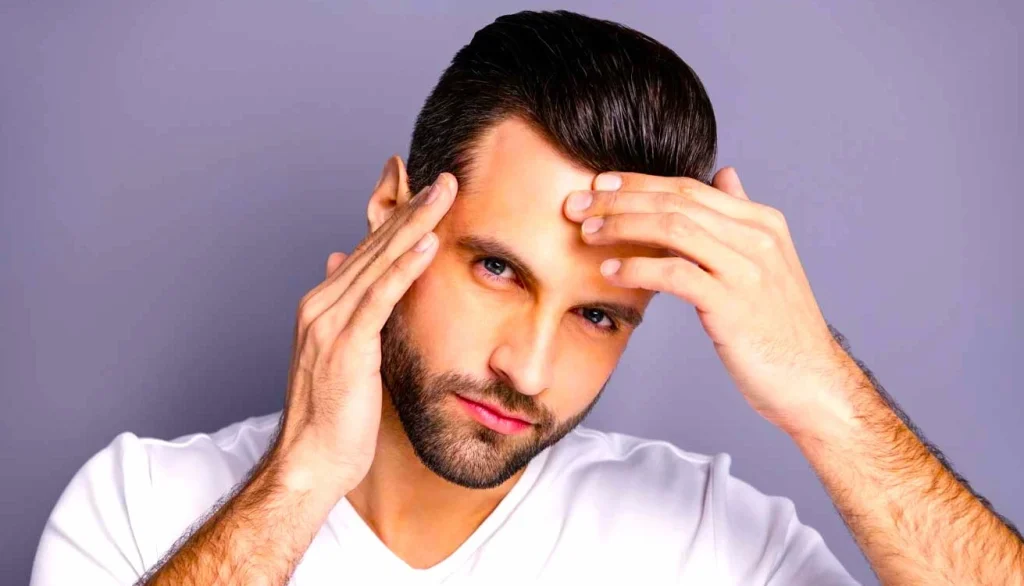
Applying a hair system at home can be simple and mess-free when you follow a structured, professional approach. This step by step guide How to apply hair system at home without mess begins with thorough scalp preparation, which is essential for a clean and long-lasting bond. Start by removing all old adhesive residue using a quality adhesive remover, then wash and fully dry the scalp to eliminate oil and moisture. Mark the hairline carefully using a light-coloured eyebrow pencil to ensure accurate placement and a natural-looking result. Apply hair system adhesive in thin, even layers, allowing each coat to turn clear and tacky before positioning the system. Once ready, gently press the hair replacement system into place using a comb rather than your fingers to avoid contamination and excess glue. Finish by keeping the system dry and perspiration-free for 24 hours to secure the bond. Following this hair system attachment at home guide helps prevent adhesive seepage, reduces clean-up time, and ensures a professional, salon-quality finish without mess.
Step by Step Guide How to Apply Hair System at Home
How to Mend a Hair System if the Adhesive Fails
Understanding how to mend a hair system if the adhesive fails is crucial for preserving its look and longevity. Hair system adhesive failure can stem from factors like natural oils, perspiration, or inadequate scalp prep. A complete cleanup of weakened bond is the first step to a secure fix. Mastering how to remove hair system adhesive residue properly is key for a flawless base ready for reapplication. Correct restoration methods will reinforce the unit’s hold and maintain its realistic appearance.
How to Prepare to Attach a Hair System
Properly learning how to prepare to attach a hair system is fundamental for achieving a strong hold and extending its life. A liquid adhesive for hair systems is frequently chosen over tape for active users, as it typically offers a more resilient and durable seal. When applied with precision, hair replacement adhesive can maintain its grip for several weeks. Utilizing the right kit including scalp protector, remover, and applicators guarantees a firm attachment. Meticulous prep work reduces the chance of bond failure and enhances overall wear.
Scalp Preparation
Scalp preparation for hair replacement systems is a foundational stage for a secure, lasting fit. The skin must be thoroughly cleansed, dried, and degreased to let the hair system glue bond optimally. Neglecting this process commonly leads to shortened wear and poor performance. Consistent skincare promotes comfort and stability. A well-prepped scalp is the cornerstone of a dependable, natural finish.
Step 1 – How to Remove Trace Adhesive Residues
Every bit of old bonding agent must be eliminated before fixing a hair replacement system. Applying a dedicated adhesive remover or solvent ensures compromised glue won’t hinder the new connection. For delicate skin, a gentle approach with warm water, mild shampoo, and light scrubbing may work. Lingering residue can block proper adhesion. A pristine surface is mandatory for a reliable bond.
Step 2 – How to Wash Your Scalp
Cleansing the scalp deeply strips away oils, sweat, and grime that weaken the bond. An exfoliating mitt and soap can help manage sebaceous gland oil production. A clarifying shampoo resets the scalp’s natural balance and improves grip. Steer clear of harsh detergents like dish soap, which can stimulate more oil. Thorough washing is essential for enduring hair system bonding.
Step 3 – How to Dry Your Scalp
Drying the skin completely stops moisture from undermining the adhesive’s strength. Employing a towel followed by a blow-dryer ensures no hidden dampness is left. Shaving or trimming fine hairs in the bonding area enhances direct contact between skin and glue. Smooth, arid skin significantly boosts wear duration. This phase is vital for a trustworthy attachment.
Step 4 – How to Clean the Bonding Area
An alcohol-based scalp cleanser can provide a final degreasing of the attachment zone. Wiping two to three times optimises adhesion and minimises slipping. Those with easily irritated skin should use this step judiciously. Balanced cleansing fortifies the bond without causing discomfort. Scalp condition directly influences the system’s lifespan.
Step 5 – How to Locate the Bonding Area
Accurately identifying the bonding area is key for a natural-looking hairline. A light eyebrow pencil can mark reference points along the perimeter. The optimal hairline generally sits about four finger widths above the brows. Tracing the forehead’s natural curve increases realism. Precise positioning elevates both look and self-assurance.
Step 6 – How to Protect Your Skin
Using a scalp protector enhances adhesion and safeguards sensitive skin. Anti-perspirant barriers like Ghost Bond No Sweat help mitigate sweat-related issues. The product must be fully set before glue application. This protective layer increases comfort and extends the duration of wear. It’s particularly useful for those with active routines.
How to Apply the Hair System Glue
Correctly applying hair system glue is critical for a firm, long-lasting seal. Brush on slender, uniform layers in both horizontal and vertical strokes. The glue should reach the marked hairline without obscuring the guide dots. Sufficient drying time lets solvents fully evaporate. A clear, tacky finish signals it’s ready for the unit.
Step 1 – How to Apply the Hair System Glue
Brush on two thin coats of hair replacement adhesive, allowing each layer ample time to dry. Acrylic-based formulas often need 10–15 minutes to become tacky, whereas silicone variants set quicker. Room conditions like humidity and warmth can influence setting speed. Thin applications prevent seepage into the hair system base. Proper technique improves durability and simplifies future cleaning.
Step 2 – How to Progress with the Attachment
Once the adhesive is ready, carefully align the hair replacement system over the attachment zone. Use a comb’s flat side to press the base down, avoiding fingerprints. Work methodically around the edges for uniform pressure. This process ensures a solid, undetectable fit. A meticulous approach lowers the potential for lifting.
Tips Regarding Silicone and Acrylic Adhesives
Both silicone-based and acrylic hair system adhesives must be entirely transparent before attaching the unit. Slim layers create a more robust bond than thick, globby ones. Excess glue prolongs drying and complicates upkeep. Avoid water and sweat for a full day after application. Adhering to these best practices boosts performance and service life.
How to Attach a Water-Based Adhesive Hair Replacement System
A water-based hairpiece adhesive starts white and becomes clear once it’s cured. This visual indicator makes timing straightforward. Even, thin coats allow for proper evaporation. Proper drying prevents shifting during placement. Water-based options offer a dependable and skin-friendly choice.
Step 1 – How to Apply the Adhesive
Apply two thin layers of water-based adhesive using smooth brushwork. Allow three to five minutes of drying between coats. The bond must turn completely clear before proceeding. Be careful not to cover the hairline guide marks. Full evaporation is the secret to a secure hold.
Step 2 – How to Attach the System
Place the unit directly onto the prepared adhesive once it’s ready. Double-check placement before committing. Apply firm, even pressure with a comb for one minute. Keep the system completely dry and free from perspiration for 24 hours. This guarantees the bond reaches its full potential strength.
Maintaining Your Chosen Hair Replacement System
Consistent hair system maintenance safeguards its appearance, comfort, and durability. Looking after a hair replacement system is akin to caring for biological hair but demands specialised products. A regular regimen helps retain colour and texture. Proper upkeep minimizes deterioration. Good stewardship protects your investment.
Things You Should Do
Use a wide-toothed comb to prevent snagging and hair loss. Gently detangle before cleansing to lessen strain on the base and hair. Use only stylist-approved hair system care products. Treat the hair to a weekly moisturising mask. Sleep on a satin or silk pillowcase to limit friction and tangling.
Things to Avoid
Refrain from washing the unit more than three times weekly to avoid fading. Do not use hot water, as it can degrade fibres and bonding agents. Avoid massaging standard hair products into the base. Never go to bed with damp hair. Always use a protective cap or thoroughly rinse after swimming in chlorinated or salt water.
FAQs
How to Apply a Hair System?
To correctly apply a hair system, begin with comprehensive scalp preparation by removing old adhesive residue and cleansing the scalp to eradicate oil and sweat. Dry the area thoroughly, then outline the hairline using a light coloured eyebrow pencil for precise positioning. Apply hairpiece adhesive in thin, uniform layers and let it become transparent and sticky before attachment. Meticulously align the hair replacement unit and press it into place using a comb instead of your fingers to prevent contamination. Keep the system dry and free from perspiration for 24 hours to guarantee a firm, durable bond.
How to Tie Hair Without Damage?
To tie hair without causing harm, consistently use gentle, fabric-wrapped or silk scrunchies rather than elastic bands. Refrain from tying hair too firmly, as persistent tension can lead to breakage and traction alopecia. Alter the placement of ponytails or buns frequently to avoid strain on the same spots. Tying hair when it is dry and knot-free helps minimise friction and split ends. Loose, protective styles are the most secure choices for long-term hair health.
How to Clean a Hair System at Home?
Cleaning a hair system at home should be performed delicately to maintain the fibres and foundation. Start by detangling the hair with a wide-toothed comb, then rinse using tepid water. Use a specialised, hair system-safe cleanser and gently press the hair instead of scrubbing. Rinse completely and follow with a light conditioner, steering clear of the base when possible. Let the system air dry on a stand to preserve its form and avert damage.
How to Get Your Wig to Stay Put Without a Cap?
To secure a wig to your head without a cap, commence by cleansing your skin to eliminate oil and sweat. Apply wig glue, wig tape, or adhesive gel directly along the hairline and around the perimeter. Permit the adhesive to become tacky before situating the wig. Press softly using a comb or scarf to fasten it in place. For optimal results, avoid moisture and excessive activity for the first 24 hours to ensure a solid hold.